Source Pneumatic Wet Polisher for Marble, Granite, Finishing
Source pneumatic wet polisher tools for marble, granite, and finishing applications. Compare 30 models with features like 1 hp power, M14/M16 spindles, and varying warranties to find the right equipment for your stone processing needs; compare the available evidence and request quotations based on your requirements.
Key considerations
Products List
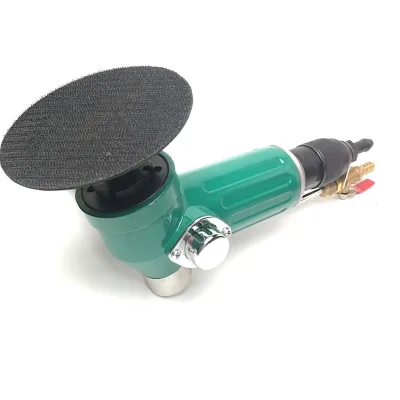
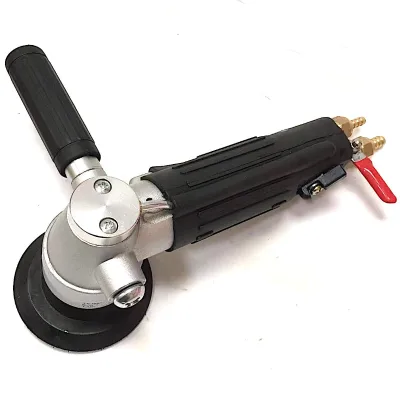
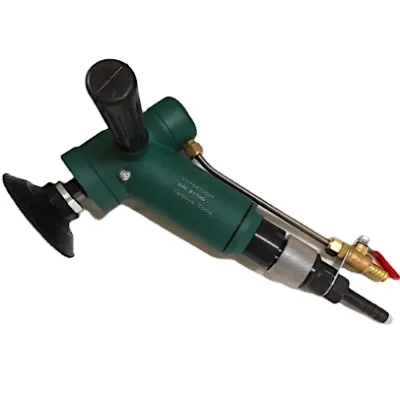


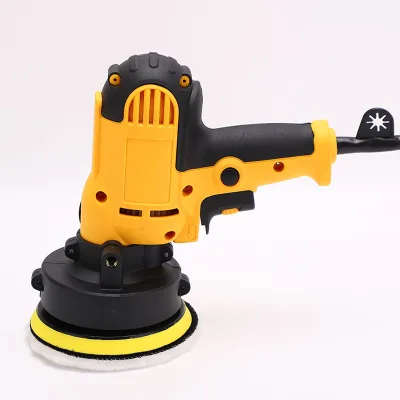




Comprehensive Sourcing Guide
Wet Polisher Sourcing Guide
Buyers evaluating pneumatic wet polishers must first distinguish between models designed for specific stone types, as the supplied data indicates units optimized for both marble and granite applications. The observed product range includes tools with varying pad capacities, such as 4-inch options, which directly influence the surface area and finish quality achievable on different project scales. Understanding these material-specific designations is critical before selecting a unit, as using a tool on an incompatible stone type can lead to premature wear or substandard surface results.
Procurement decisions should also account for the distinct power sources and operational environments indicated in the listings, where pneumatic systems are highlighted alongside specific air consumption metrics like 7 CFM at 90 PSI. This distinction is vital for facilities that rely on compressed air infrastructure, as the required inlet sizes, such as 1/4 inch or 3/8 inch, must match existing plant capabilities to ensure efficient operation. Buyers must verify that their air supply systems can sustain the continuous flow rates demanded by these high-speed finishing tools to avoid performance bottlenecks during production.
Product Scope and Observed Listing Signals
The market for wet polishers presents a wide spectrum of configurations, ranging from compact handheld units to larger systems with substantial working areas like 3000 by 1000 millimeters. Listings reveal specific model numbers such as TY75410S and TY75445S, which often correlate with different spindle thread standards like M14 or M16, requiring buyers to match accessories to the specific tool architecture. This variation in physical specifications means that a single procurement strategy cannot cover all needs, necessitating a detailed review of each item's unique mechanical interface before ordering.
Commercial signals in the listings also highlight significant differences in warranty terms and inspection protocols, with some units offering three-year coverage while others provide only six months. The presence of video outgoing-inspection services for certain models suggests a higher level of quality assurance transparency, which can be a decisive factor for buyers seeking to mitigate the risk of receiving defective machinery. Additionally, the observed price range spanning from minimal costs to six-figure sums indicates that buyers must carefully align their budget with the intended application intensity and required durability features.
Technical Specifications to Verify
When assessing technical viability, the spindle thread configuration and pad capacity are primary verification points that determine accessory compatibility and operational versatility. The data shows threads ranging from 5/8"-11 to M14*2, alongside pad capacities up to 100 millimeters, meaning that a mismatch here can render the tool unusable with standard polishing pads. Buyers must cross-reference these mechanical dimensions with their existing inventory of consumables to ensure seamless integration and avoid the logistical delays associated with sourcing specialized adapters or replacement parts.
Air system requirements represent another critical technical domain, where inlet sizes and hose specifications must align precisely with the facility's compressed air infrastructure. Observed requirements include 1/4-inch air inlets and specific recirculation hose sizes like 3/8 inch or 5/16 inch for water, which dictate the necessary plumbing modifications. Furthermore, the free speed of 4,500 rpm and power ratings, whether listed as 1 hp or 1.5 kW, must be validated against the intended material hardness to ensure the tool delivers the necessary torque and rotational velocity for effective surface finishing without stalling or overheating.
Compliance and Safety Documentation
Safety compliance for pneumatic wet polishers requires verification of electrical and mechanical safeguards, particularly given the high-speed rotation and water usage inherent in these operations. While specific certification standards are not universally listed in the provided data, buyers should demand evidence of compliance with local machinery safety directives and electrical standards for any motorized components. The presence of side air vents and specific hose configurations suggests design considerations for operator safety, yet formal documentation confirming these features meet regulatory thresholds is essential for liability protection.
Documentation regarding the tool's construction materials and operational limits is equally important for maintaining a safe working environment. Buyers must ensure that suppliers provide clear manuals detailing the maximum working area and pressure limits, as exceeding these parameters can lead to catastrophic failure. Although some listings mention a 3-year warranty, this commercial term does not substitute for safety certifications; therefore, procurement teams must request third-party test reports or manufacturer declarations confirming that the device meets all relevant occupational health and safety requirements for industrial stone processing.
Cost Drivers and Commercial Terms
The total cost of ownership for wet polishers is heavily influenced by the warranty duration and the availability of after-sales support, which vary significantly across the observed product range. Units with a three-year warranty, such as those from the Tarboya brand, may command a higher initial price but offer better long-term value by reducing the frequency of replacement costs. Conversely, models with shorter six-month warranties might appear cheaper upfront but could result in higher operational expenses if frequent repairs or part replacements become necessary due to wear and tear.
Commercial terms also include the minimum order quantity and packaging specifications, which impact logistics and inventory management strategies. The observed single package sizes and gross weights, ranging from 3.0 kg to 3.5 kg, suggest that shipping costs will be a variable factor depending on the order volume and destination. Buyers should negotiate based on the selling units, which are often listed as single items, to determine if bulk purchasing offers any economies of scale or if the cost structure remains flat regardless of quantity, thereby influencing the optimal order size for their specific project needs.
Supplier Qualification and Quality Control
Supplier qualification should prioritize manufacturers that provide video outgoing-inspection services, as this feature offers tangible proof of product condition before shipment. The availability of such visual verification helps buyers assess the build quality and finish of the pneumatic polishers, ensuring that the motor and other core components are assembled correctly. This level of transparency is particularly valuable when sourcing from regions like Shandong, China, where the distance between the buyer and the manufacturing site makes physical pre-shipment inspections difficult to arrange.
Quality control processes must also extend to the consistency of critical components like the motor and the precision of the spindle threads. Buyers should verify that the supplier maintains strict tolerances for the 1/4-inch air inlets and water hose connections to prevent leaks and ensure efficient operation. Given the variation in model numbers and specifications, it is essential to confirm that the supplier has a robust system for tracking production batches, ensuring that every unit delivered matches the technical specifications and performance claims outlined in the initial product listing.
Long-Term Procurement Checks
Sustaining a reliable supply chain for wet polishers requires establishing clear protocols for monitoring warranty claims and spare parts availability over the product lifecycle. The disparity in warranty periods, from six months to three years, necessitates a strategic approach where buyers align their procurement with the expected usage intensity of the equipment. For high-volume operations, selecting units with extended warranties and verified motor reliability can significantly reduce downtime and maintenance costs, making the initial investment in higher-quality models a prudent long-term strategy.
Continuous evaluation of supplier performance is also critical, focusing on their ability to deliver consistent product quality and adhere to agreed-upon lead times. Buyers should track the performance of specific model numbers, such as the TY75410SH, to identify any recurring issues with air consumption or pad capacity that might indicate a design flaw. By maintaining a detailed record of operational data and supplier responsiveness, procurement teams can make informed decisions about future orders, ensuring that the wet polishers continue to meet the demanding requirements of stone finishing applications.
FAQs
How does a pneumatic wet polisher work on stone surfaces?
A pneumatic wet polisher uses compressed air to drive a polishing pad while water flows over the working area, cooling the pad and suppressing dust. Models like the TY75410S consume 7 CFM at 90 PSI and accept a 1/4 inch air inlet with a 1/2 inch recommended air hose. Connect a water supply before starting to protect the pad and achieve a smooth surface finish on marble and granite.
What pad size and spindle thread should I confirm before ordering a wet polisher?
Confirm pad capacity and spindle thread first, since these determine which polishing pads will fit. Listed models support a maximum pad capacity of 100 mm (4 inches) with spindle threads of M14 or M16, and one variant offers 5/8 inch-11 or M14x2. Match the spindle thread to your existing pad inventory to avoid buying new backing pads, and verify weight, around 1.5 to 2 kg, for handling comfort.
Can wet polishers be used on both marble and granite?
Yes, wet polishing is suitable for marble and granite, which are common listed uses for these pneumatic polishers. Marble is softer and polishes quickly, while granite is harder and may require more polishing steps with progressively finer pads. Keep water flowing continuously during work to cool the pad and control slurry. The TY75410SH variant is also listed for finishing applications, so check each model's stated use before ordering.
Which air supply setup do wet polisher models require for stable operation?
These pneumatic polishers require a clean, dry air supply delivering about 7 CFM at 90 PSI. Use a 1/4 inch air inlet connection with a recommended 1/2 inch air hose, or 3/8 inch on some variants, to minimize pressure drop over longer runs. Adding a filter-regulator-lubricator unit helps maintain consistent pressure and protects the motor, which is the listed core component of these tools.
What water connection specifications apply to wet polisher models?
Water connections vary by model: listed variants use a 5/16 inch water hose or a recommended 3/16 inch water hose. Match your water supply line to the model's specified fitting and use clean water to prevent nozzle blockages. Continuous water flow cools the pad, reduces dust, and improves finish quality. Check the exact fitting size in the model specifications before ordering replacement hoses or adapters for your workshop plumbing.
How long is the warranty period for these wet polishers?
Warranty terms differ across the listed models: some carry a 3 year warranty while others are covered for 6 months. Confirm the warranty length printed on the specific product page before ordering, since coverage depends on the model and seller. Video outgoing inspection is provided, which helps verify the tool's condition before shipment. Clarify warranty scope with the supplier for spare parts and motor coverage.
Can I order wet polishers with customization options?
Yes, customization is listed as available for these pneumatic stone polishers. Typical customization discussions can cover spindle thread selection, branding, or packaging, though exact options depend on the supplier and model such as TY75410S or TY75445S. Custom orders may affect lead time and minimum order quantity, so confirm both before committing. Provide your workshop requirements, including power source and working area, when requesting customized configurations.
What power and performance specifications do these wet polishers offer?
Listed pneumatic models deliver 1 hp at a free speed of 4,500 rpm, and one variant lists power of 1.5 kW. Free speed around 4,500 rpm suits wet polishing with resin pads, where higher speeds can overheat the pad. These tools suit working areas such as 3000x1000 mm or 3100x2100 mm benches. Compare free speed, air consumption, and weight across models to match your stone finishing workload.